Niacinamide: the quiet workhorse of skincare
What niacinamide (vitamin B3) actually does, how much you need, and how to use it — a plain-language guide to skincare's most tolerated active.
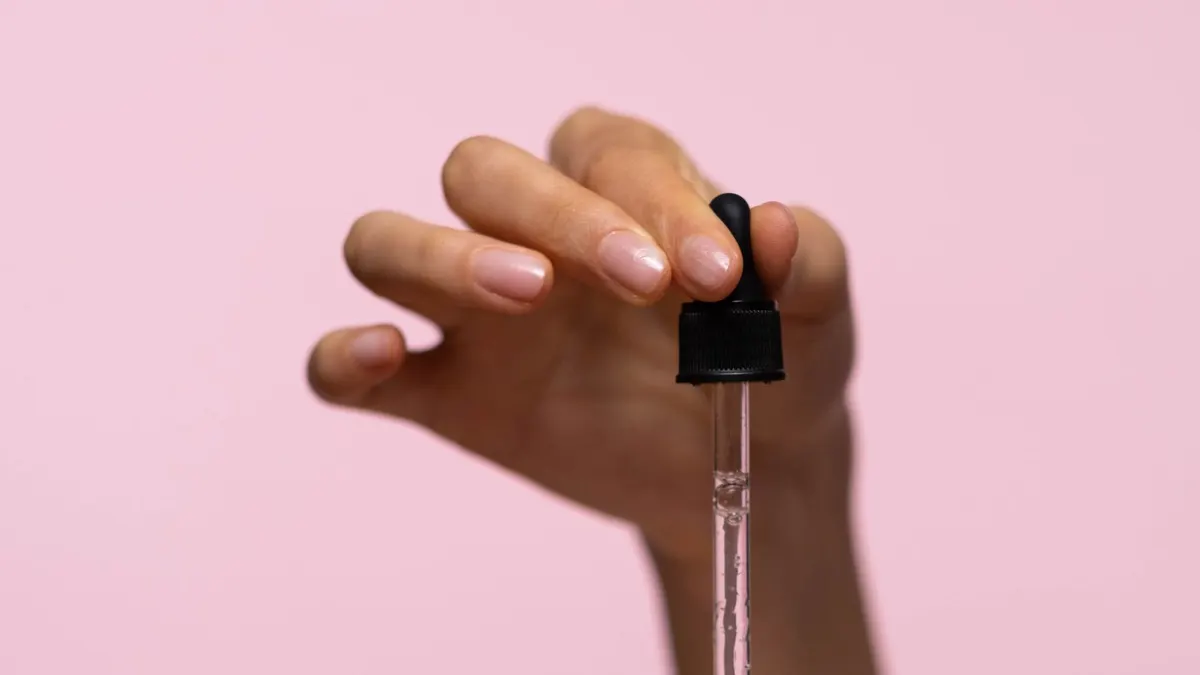
Niacinamide is a form of vitamin B3, and it’s one of the most studied and best-tolerated ingredients in all of skincare — which is exactly why it shows up in so many serums, moisturizers, and toners. Where actives like retinol or strong acids force change through a bit of irritation, niacinamide works quietly: it signals your skin to do more of what it already does well. Here’s what it actually does, how much you need, and how to fit it into a routine.
What it does
Niacinamide is a multitasker, and four benefits are worth knowing:
- It strengthens the skin barrier. Niacinamide prompts your skin to produce more of its own ceramides — the natural fats that hold skin cells together and lock in moisture. A stronger barrier means skin that’s less dry, less reactive, and less prone to stinging.
- It calms redness. Its anti-inflammatory effect makes it a gentle choice for skin that flushes easily or looks blotchy.
- It helps regulate oil. By tempering how much sebum your skin produces, niacinamide can cut shine — one reason it’s a favorite for oily and congestion-prone skin, where it also makes pores look smaller over time.
- It evens tone. The effect is subtle rather than dramatic, but with consistent use it can help fade the look of mild discoloration.
How much you actually need
More is not better here. Research points to around 5% as the sweet spot — enough to deliver the benefits while staying very gentle. Higher strengths like 10% can help more with oil control if your skin tolerates them, but above roughly 10% there’s little additional benefit and a slightly greater chance of a temporary flush. If your skin is sensitive, start at a lower percentage a few times a week and build up. Expect to give it 4 to 8 weeks before you judge the results.
How to use it
Apply niacinamide after cleansing and before your moisturizer, morning or night. As a water-based serum it sinks in fast and layers cleanly under everything else. You don’t need a dedicated serum, either — plenty of moisturizers include niacinamide, so you can get it in a single step if you’d rather keep things simple.
A great, genuinely cheap place to start is The Ordinary Niacinamide 10% + Zinc(paid link), a longtime staple that’s on the stronger side and best for oily skin.
The Ordinary Niacinamide 10% + Zinc 1%
The famously cheap niacinamide serum. 10% is on the high side, so it's best for oily, congestion-prone skin a few times a week.
What reviewers say: A budget staple; the usual complaint is a tacky finish at 10%.
- Famously cheap
- Strong 10% dose for oil control
- Widely available
- Slightly tacky finish, commonly noted
- 10% can flush sensitive skin — start slow
What it pairs with
One of niacinamide’s best traits is how well it plays with others. It layers happily with vitamin C (despite the old, outdated myth that the two cancel each other out), it can take some of the sting out of a retinol routine, and it sits fine alongside exfoliating acids and sunscreen. That flexibility is a big part of why it’s such an easy first active.
Common mistakes
- Chasing a high percentage. A 5% product is plenty for most people; a 10%+ one isn’t automatically “better,” just more likely to flush sensitive skin.
- Expecting it overnight. Niacinamide is a slow, cumulative ingredient — the results come from weeks of consistency, not a single use.
- Piling on too much at once. Adding niacinamide and three other new actives the same week makes it impossible to know what’s helping (or irritating).
Ready to pick one? See our roundup of the best drugstore niacinamide, four cheap picks compared — matched from oily to sensitive skin, and why almost every budget serum is 10% or higher when 5% would do.
Frequently asked questions
What does niacinamide do?
Niacinamide (vitamin B3) strengthens the skin barrier by prompting skin to make more of its own ceramides, calms redness, helps regulate oil, and can make pores look smaller over time. It's also mildly brightening. A concentration around 5% is enough for most people.
What percentage of niacinamide should I use?
Around 5% is the sweet spot — enough to see benefits while being very well tolerated. Higher concentrations like 10% can help more with oil control, but above roughly 10% there's little extra benefit and a slightly higher chance of flushing. If you're sensitive, start lower and a few times a week.
Can I use niacinamide with vitamin C?
Yes. The old warning that they cancel each other out is a myth for the forms used in modern products. You can layer them, or simply use one in the morning and the other at night.
How long does niacinamide take to work?
Give it about 4 to 8 weeks of consistent daily use. Barrier and redness benefits tend to show first; oil control and a smoother look to pores build more gradually. It's a slow, steady ingredient, not an overnight one.